The Black Cowgirl of Agua Dulce
She made rodeo history three decades ago. Now, from her California ranch, DeBoraha Townson is passing down a legacy of land, horses and resilience — even as she competes with two torn shoulders.
AGUA DULCE, Calif. — “Slow him down. Don’t let him go that fast.”
On a Tuesday afternoon in early June, DeBoraha Townson called out these commands to a petite tween, one of a handful of students barrel racing in a grass ring on her ranch in Agua Dulce, California. Townson speaks like she walks — slowly and deliberately — qualities that convinced her young charge to heed her immediately.
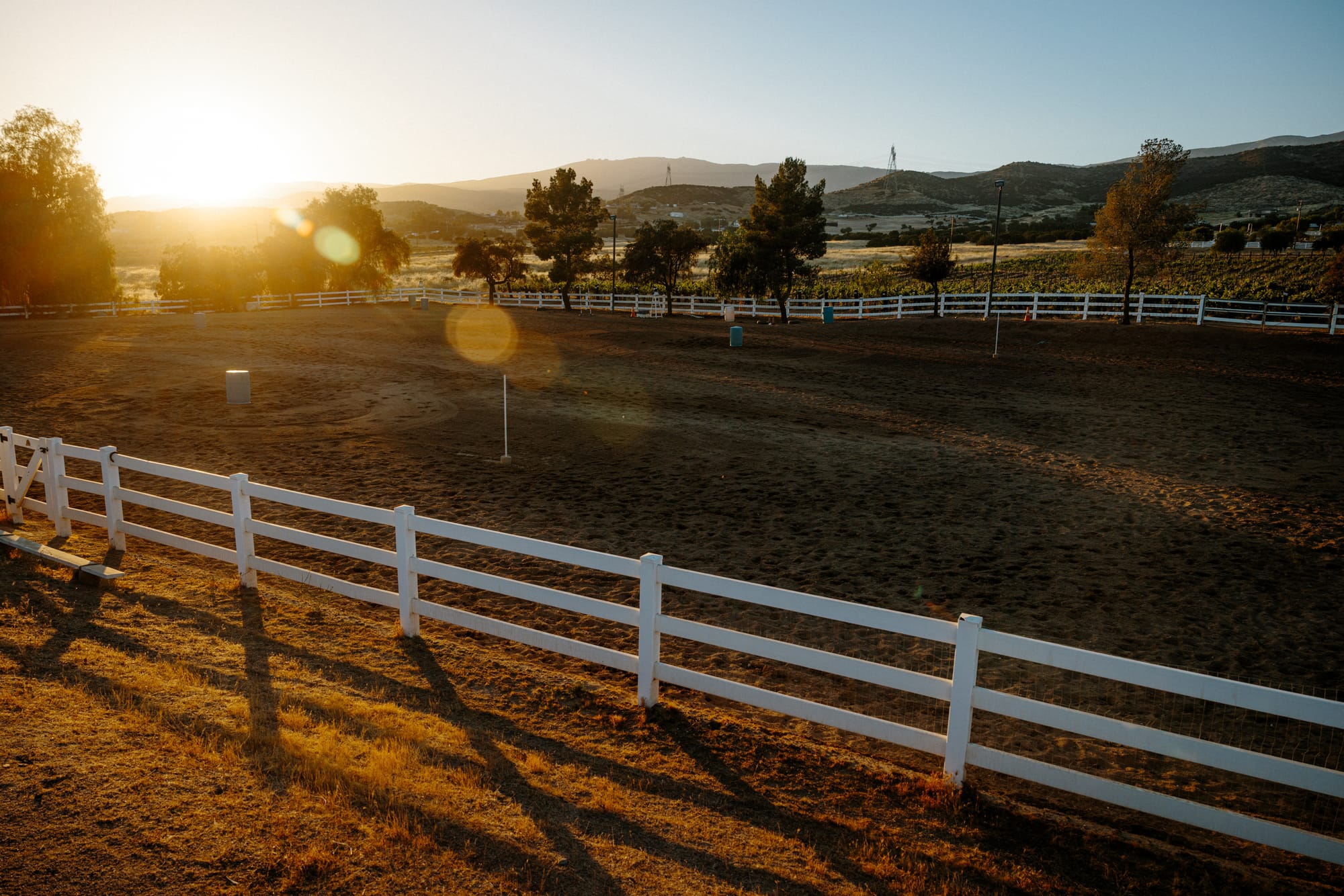
As the middle schooler eased her Quarter Horse to a halt, goats bleated from a nearby pen. The earthy smell of hay pierced the warm air — swirling with dust kicked up by horse hooves and cowboy boots. Beyond the barrel ring lay a field of wild mustard and a vineyard. With sunset approaching, the Sierra Pelona Mountains loomed as hulking, shadowy figures in the distance.
This rural scene could have unfolded in any number of regions, but it took place in Southern California, just 45 miles from the serpentine freeways and steel high rises of Los Angeles.
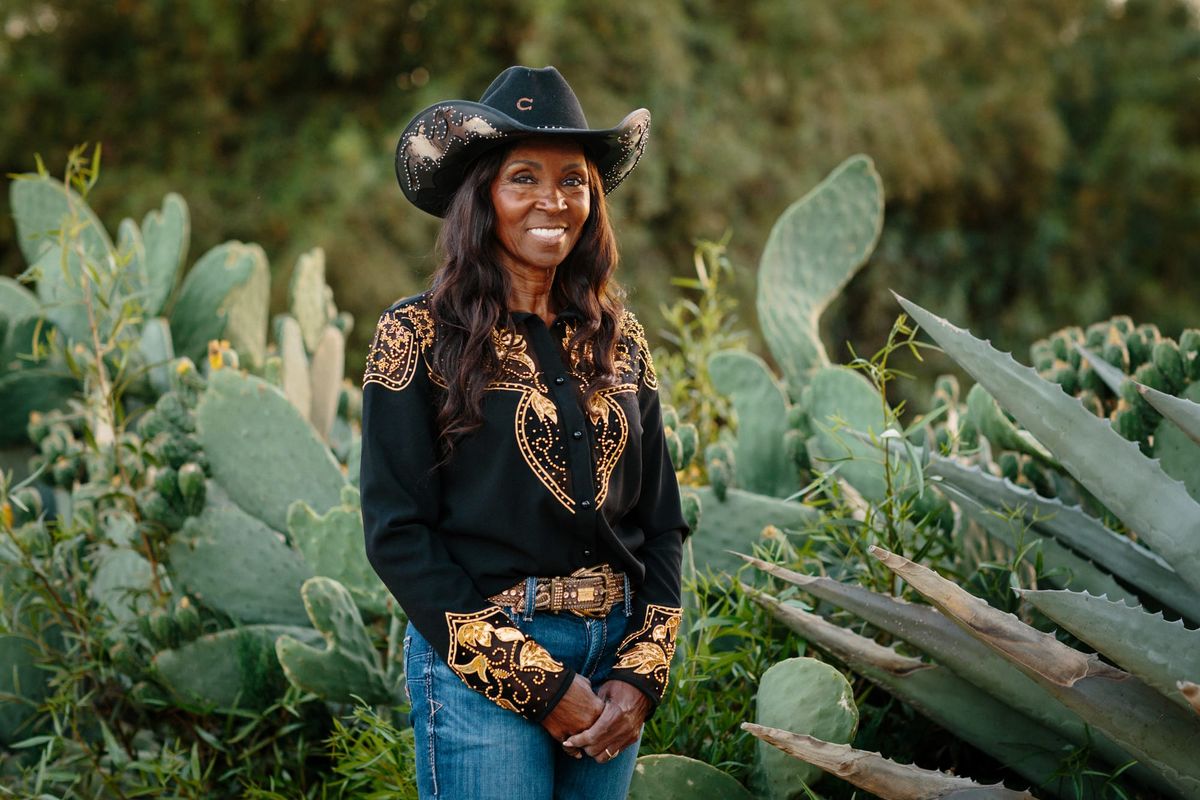
Townson has owned this ranch for three decades. In 1990, she became the first Black woman to compete at a professional rodeo finals. In 2022, the National Multicultural Western Heritage Museum in Fort Worth, Texas, inducted her into its Hall of Fame. Today, at 68, she still competes — despite serious injuries and the deaths of her husband and brother just months apart over the past year. Many of her students, who call her “Miss DeBoraha” (pronounced “Da-bore-uh”), weren’t even born when she made history.
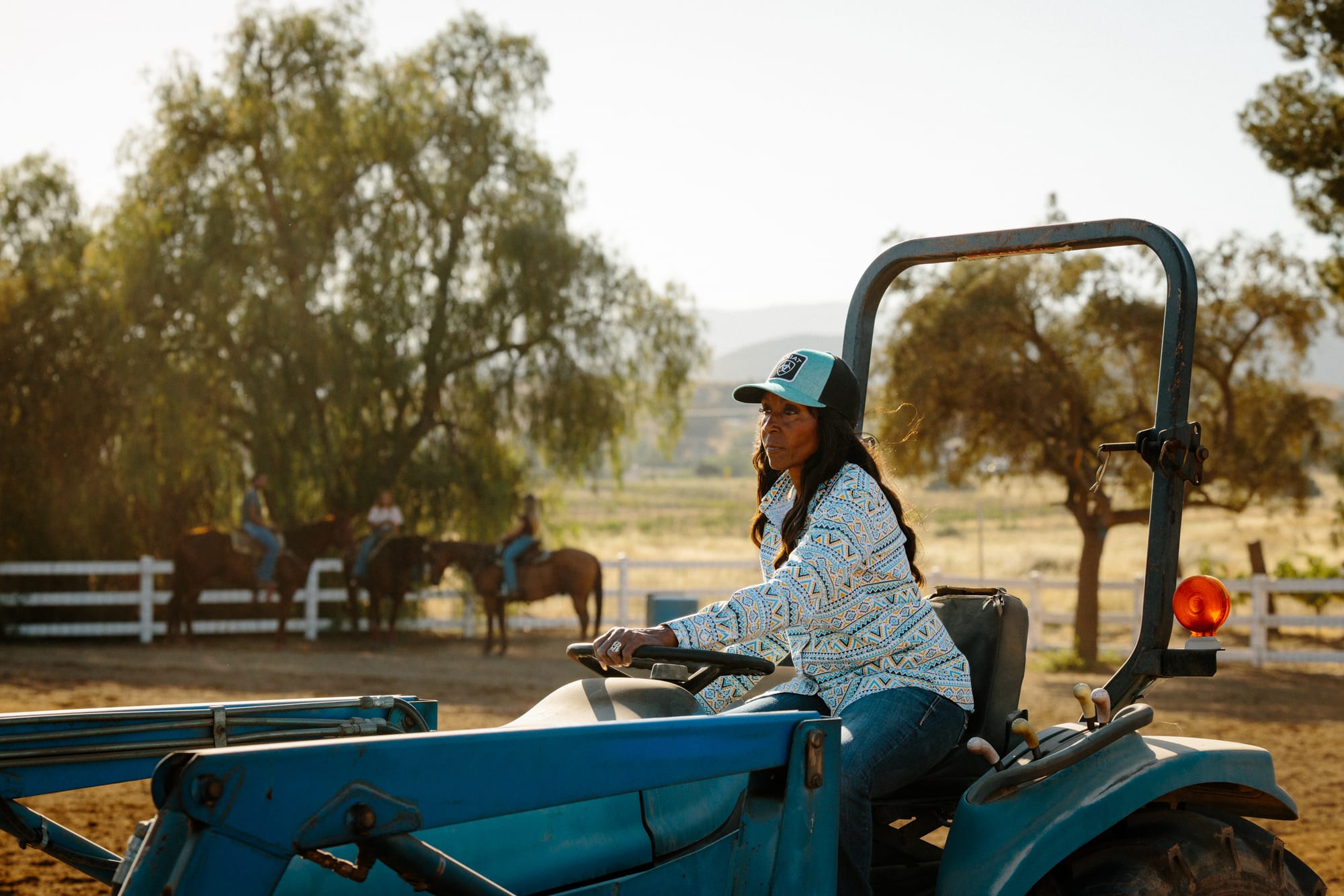
Through it all, she’s continued running her 3-acre ranch. She starts at dawn, mucking stalls, hooking up trailers and tending to her 12 horses. Over the past decade, as pop culture has embraced Western aesthetics through artists like Lil Nas X, Tanner Adell and Beyoncé, Townson stands out as an actual cowgirl. For her, the identity isn't a look but a way of life, one she's passing down to students from a range of ethnic backgrounds — white, Black, Latine.
As a landowner, Townson is uniquely positioned to guide younger generations this way. During the 20th century, Black Americans lost an estimated 90 percent of their agricultural land — from nearly 16 million acres in 1910 to just 1 or 2 million today, a cumulative wealth loss of $326 billion. Townson initially feared her 3 acres wouldn't be enough. But she's shown how even a modest parcel can transmit culture. She’s especially interested in reaching young Black people seeking to reclaim their horsemanship roots.
But racial barriers remain, Townson said. Rodeo remains largely segregated, with Black competitors often lacking the financial resources to participate at elite levels. Some of the young people who turn up at her ranch simply want to familiarize themselves with horses. They want to take trail rides and scuff their cowboy boots for the first time. For both groups, Townson is an icon and trailblazer.
Carolyn Brucken — senior curator at the Autry Museum of the American West, which featured Townson in its “Black Cowboys: An American Story” exhibit earlier this year — described her as one of “the amazing Californian women who are carrying on the Black cowboy legacy.” Townson, she continued, “changed the world of rodeo as a champion and mentor to future generations of riders.”
On this Juneteenth, The Fault Line News recognizes Townson as a living embodiment of Black history, landownership and sportsmanship — a woman who didn't just ride into the arena, but carved a path for others to follow.

The rhinestone bull’s head on Townson’s living room wall — her “Rodeo Wall of Fame” — instantly commands attention. It lights up, Townson said of the gift, but the certificates, awards and press clippings on the wall weren’t presents. Townson and her children earned them.
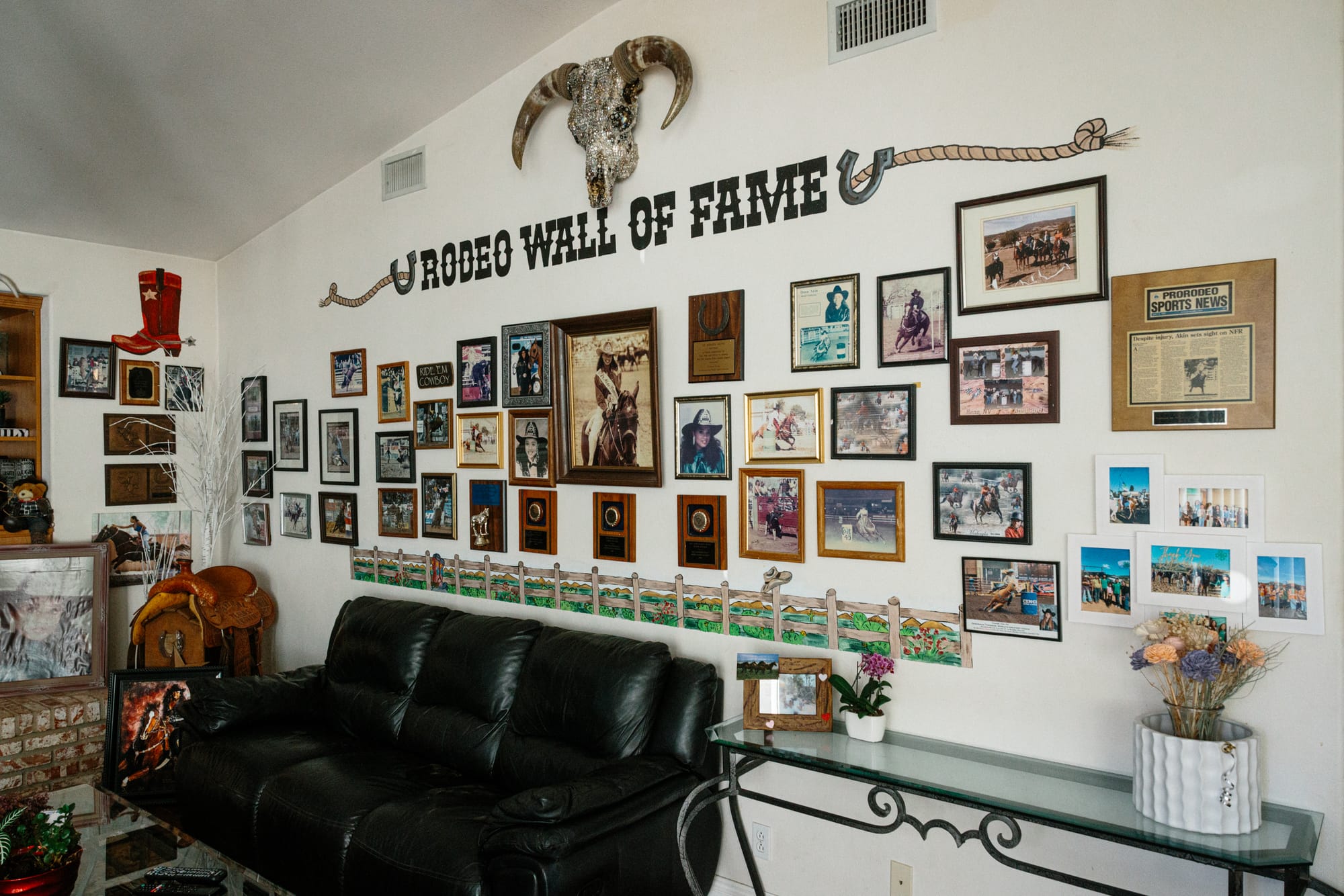
As a girl in Rockford, Illinois, she never dreamed of becoming a rodeo champion. But she felt a pull to horses she couldn’t explain. She grew up near the Quaker Oats pet food division, gazing at the horses the company fenced into a lot, she recalled.
“I was maybe 8 or 9, and I’d go out there — we weren’t allowed inside — and the horses would graze,” Townson said. But one day, she couldn’t find her favorite, a gray horse that looked majestic due to its lack of pigment. When she asked her cousin, Junior, what happened to it, he blurted out, “They probably killed it already and ground it up for dog food.”
She ran home to ask her grandmother if Junior was telling the truth, only for her to answer, “Well, they probably did,” Townson remembered. “I was devastated.”
That blow didn’t end her fascination with horses. She asked her grandparents, who raised her, to buy her one. “Why would you get a horse?” they scoffed. “What would you do with it?” Townson “had no idea,” she said. “I’d never seen a rodeo. But that thought never left my mind.”
As a teen, she took her first ride in Los Angeles’ Griffith Park while visiting her mother, who resided in California.
“It just stuck with me,” she said. Even as a young adult, Townson longed for a horse. After joining United Airlines as a flight attendant in 1979, she decided to buy one with a colleague — a plan overheard by a passenger who likened it to two neighbors buying a dog together.
Months later, she encountered the passenger at a party, and he invited her to ride at his ranch in San Juan Capistrano. The two wed, and Townson learned horsemanship through his connections. His niece competed in barrel racing — a sprint around three 55-gallon drums in seconds.
With her husband, Townson attended her first rodeo. “I think I was 23 years old,” she said. “I was like, ‘OK, this is what I want to do.’”
She trained in Glendale, Arizona, with a world champion barrel racer who questioned her dedication to the sport. “Are you really serious about this?” she asked Townson. “You need to learn how to ride before you become a barrel racer.”
So, Townson headed back to California to find a dressage instructor. She spent months learning fundamentals, a skillset not nearly as thrilling as barrel racing.
“I just want to barrel race,” Townson said. “But I'm glad she had me do it the right way. Because now I work with people who come to me and go, ‘Oh yeah, we know who you are, we want to run barrels.’ And I go, ‘First, you gotta learn how to ride a horse.’”
The skill took five years to master.
“I started competing two years after that, but I probably shouldn’t have been,” she said. “I didn’t fall off. I didn't win either. It was probably 10 years down the road before I felt like I was competition-worthy, that I wasn’t just there to say I ran at that rodeo.”
Thirty-six years ago, she made history as the first Black woman to compete in the International Professional Rodeo Association’s championship event.
“I placed one time out of four go-rounds,” she said. “Those girls are the best of the best. I still wasn’t quite the caliber.”
But her presence at the event mattered. Her good friend Marilyn LeBlanc would join her as one of only two Black women known to have qualified for the finals of a professional rodeo.
Since Beyoncé’s “Cowboy Carter” debuted in 2024, Townson has seen a surge of interest in horse riding from people who’d never considered it previously. But the album cover does not reflect a cowgirl’s day-to-day life.
“I get a lot of people who contact me — they’ve seen Beyoncé on a horse sitting sideways with the horse flowing like it's running,” Townson said. “I’m like, ‘That’s not reality.’ As much as I love that exposure, I like to keep it real too.”
For Townson, being a cowgirl isn’t about the outfit, though she has racks of Western shirts — sheer, tasseled, embroidered, patterned.
“My home reflects that I love horses,” she said. “My whole environment is about that. And I don't look at it as hard work. It’s just part of the definition.”
She starts each morning with her pigs, goats and chickens, then feeds her horses, cleans their stalls and checks them for injuries.
“I love every part of that, even the muck in the stalls,” she said.
She gets help but still spends hours grooming and riding.
“I was working with one of my students, and we went a little deeper than I thought we were going to, and I lost track of time,” she said. “I love that I have a job where I can lose track of time, and that's a good thing.”
After she and her second husband bought the ranch, Townson worked for a mining company, but her spouse told her she could resign to focus on what she loved. So she started giving riding lessons and boarding horses.
“I don’t make a fourth of the money I used to make,” she said. “But I’m happier than I could ever be. It was never my intention to make a lot of money. If I break even, I’m doing real good.”
Townson’s ranch includes a regulation-size riding arena, where she used to host competitions, but as trailers got bigger, she started using a larger arena down the road.
“Some of my trainer friends go, ‘Wouldn’t you love to have the Burbank Equestrian Center?’ It’s 100-and-some acres,’” she said. “No. The upkeep, the maintenance, the headaches. I’m so content with my 3 acres. If you told me 30 years ago I’d be content with 3 acres, I would have said no way. But it absolutely is enough.”
Her mother, who refused to leave her Altadena home during the Eaton Fire, taught her the value of land. When Townson's husband died and she considered selling the ranch, her mother stressed: “You don’t ever sell your land. Don’t sell it.”
For years, her maternal family held onto the Arkansas acreage their ancestor received upon emancipation. But her relatives lost the land when her grandfather died without a will.
“That’s a sad part of my family history,” she said.
This common legal pitfall is known as “heirs’ property” — land that passes informally through families, leaving it vulnerable to forced sales if even one heir wants out.
Without land, “people lose the memory that their ancestors engaged in activities” like horse riding until “it becomes normalized to think that Black people don’t,” said Thomas W. Mitchell, a Boston College law professor and MacArthur Fellow who drafted model legislation to help families retain inherited property.
In contrast, seeing a cowgirl like Townson widens the aperture of possibilities for Black Americans, he said. And when people from other racial backgrounds see her, it changes their worldview, too. It expands their sense of Black people’s capabilities.
That includes the rodeo culture Townson is passing down — to students who have discovered that one in four cowboys were Black, and many were Latine. Without her 3 acres, she could not transfer this knowledge as easily.
Mitchell noted that as he set out to reform heirs’ property laws to preserve Black landownership, he was initially told it was too late to help.
“People conflated Black farmers with Black heirs’ property owners, and there were narratives that they were on the verge of extinction," he said. "But it turns out they're not. There's been a recognition that there's a significant base of property worth hundreds of billions of dollars. And now people are re-engaging with the land.”
AJ Girard is among those seeking a deeper connection with land. A Los Angeles-based artist and influencer in his 30s, he grew up around horses — his grandfather put rodeo legend Charlie Sampson on his first horse. But Girard didn’t feel drawn to the pastime until two years ago.
“I was kind of needing a retreat, a release from L.A.,” he said. “I do a lot in the nightlife and the culture scene; I’m always ‘on.’ I needed something different. I went out to the ranch, and Miss DeBoraha looked at me, heard my family's name and knew what time it was.”
Before long, Girard started visiting Agua Dulce weekly, and he goes riding even more frequently. His interest in the activity has strengthened his bond with his father, who runs a horse ranch in Gunnison, Colorado.
“I think all fathers want to pass on something to their sons,” Girard said. “And out of all five of his kids, I probably have the most interest in horses currently. I’m excited about that.”
Townson, he said, has become more than a mentor. She almost regards him like an heir, he said. “She’s like, ‘I didn’t do everything I wanted to do yet. But when I look at these young people, I know I did something right.’”
He recalled a moment when he brought a friend to the ranch who didn’t have a close relationship with her mother. Townson, who formally adopted four children and another informally, intervened.
“I realized at some point that they had a connection that I had nothing to do with,” he said. “It was very woman-to-woman. She needed that community, and DeBoraha offered it.”
But Townson has also had her share of disappointments, investing time and money in promising young riders who subsequently took different paths. Her granddaughter, now 27, is riding regularly again after seven years in the military.
“I’m letting her figure it out,” Townson said.
As she oversaw a barrel racing lesson on a recent Tuesday, Townson lamented that just one student that afternoon was Black. That student, Zakai Cathey, is serious about equestrianism. After hosing down a luminous chestnut horse, she recounted attending 20 barrel races and one rodeo.
“I was super scared,” the 14-year-old said of her first time riding. But Townson reassured her, telling her, “I can do it.”
She was right. For three years now, Zakai has taken lessons at the ranch.
Of greater concern to Townson than the dearth of Black students in her class is that rodeo remains racially divided.
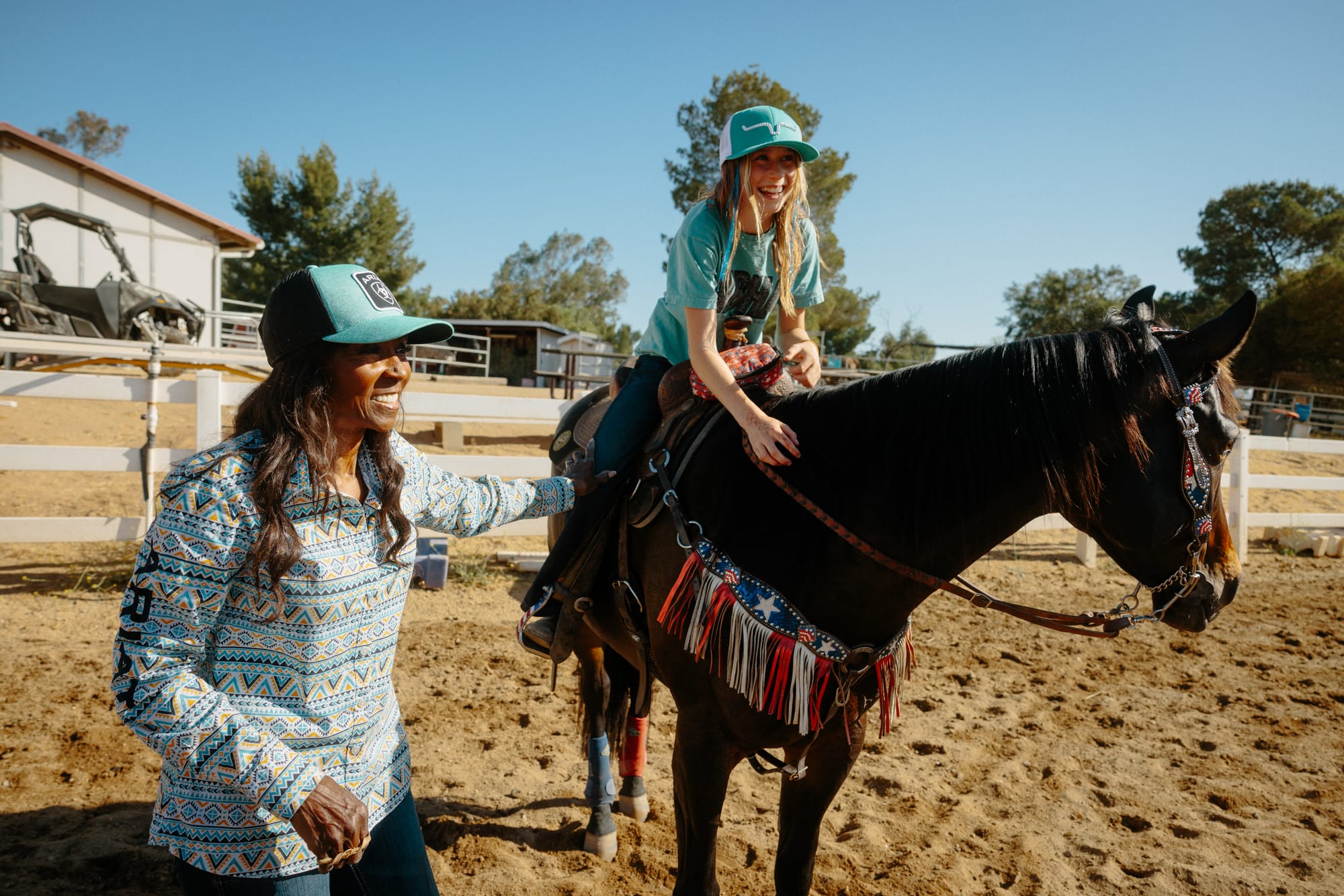
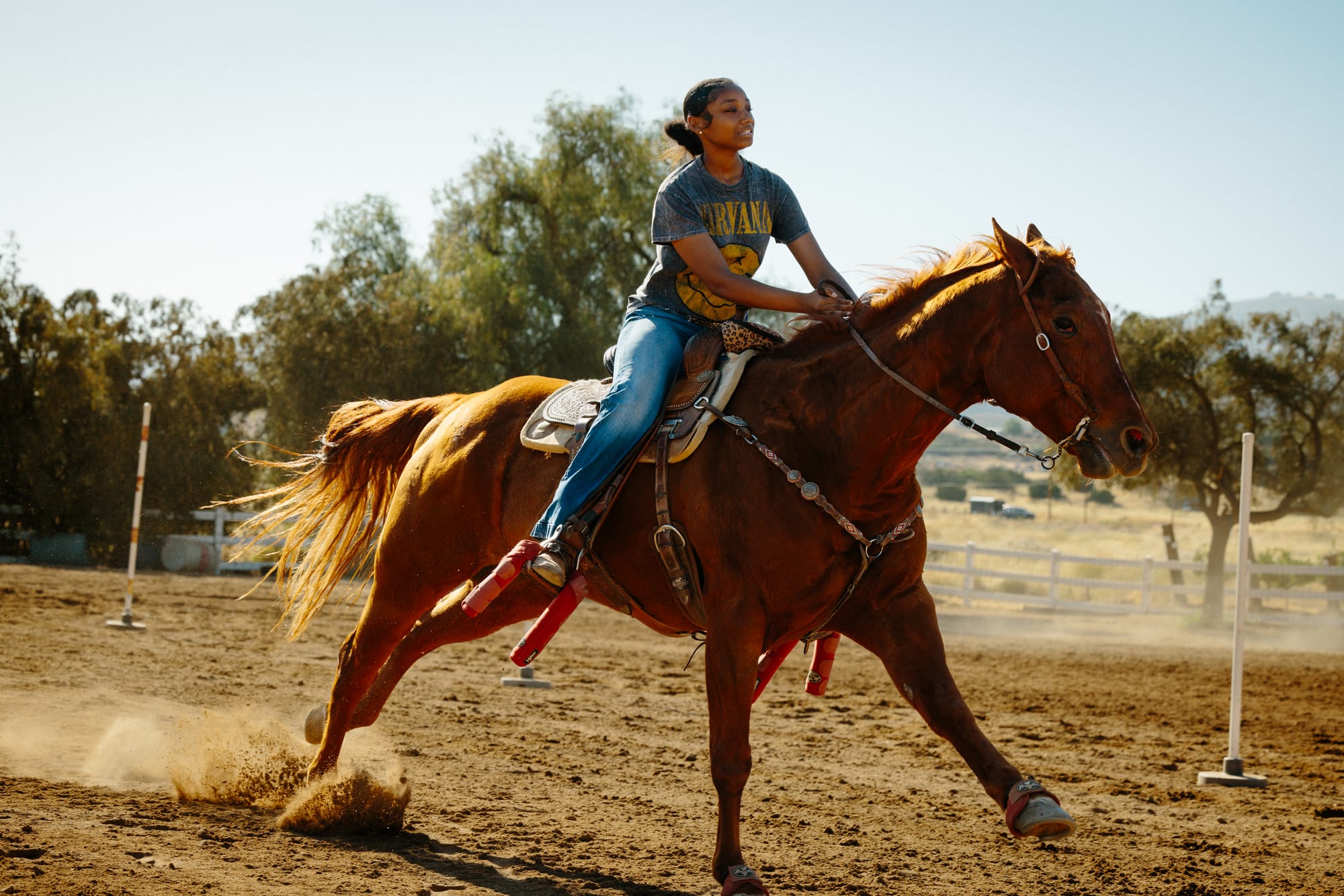
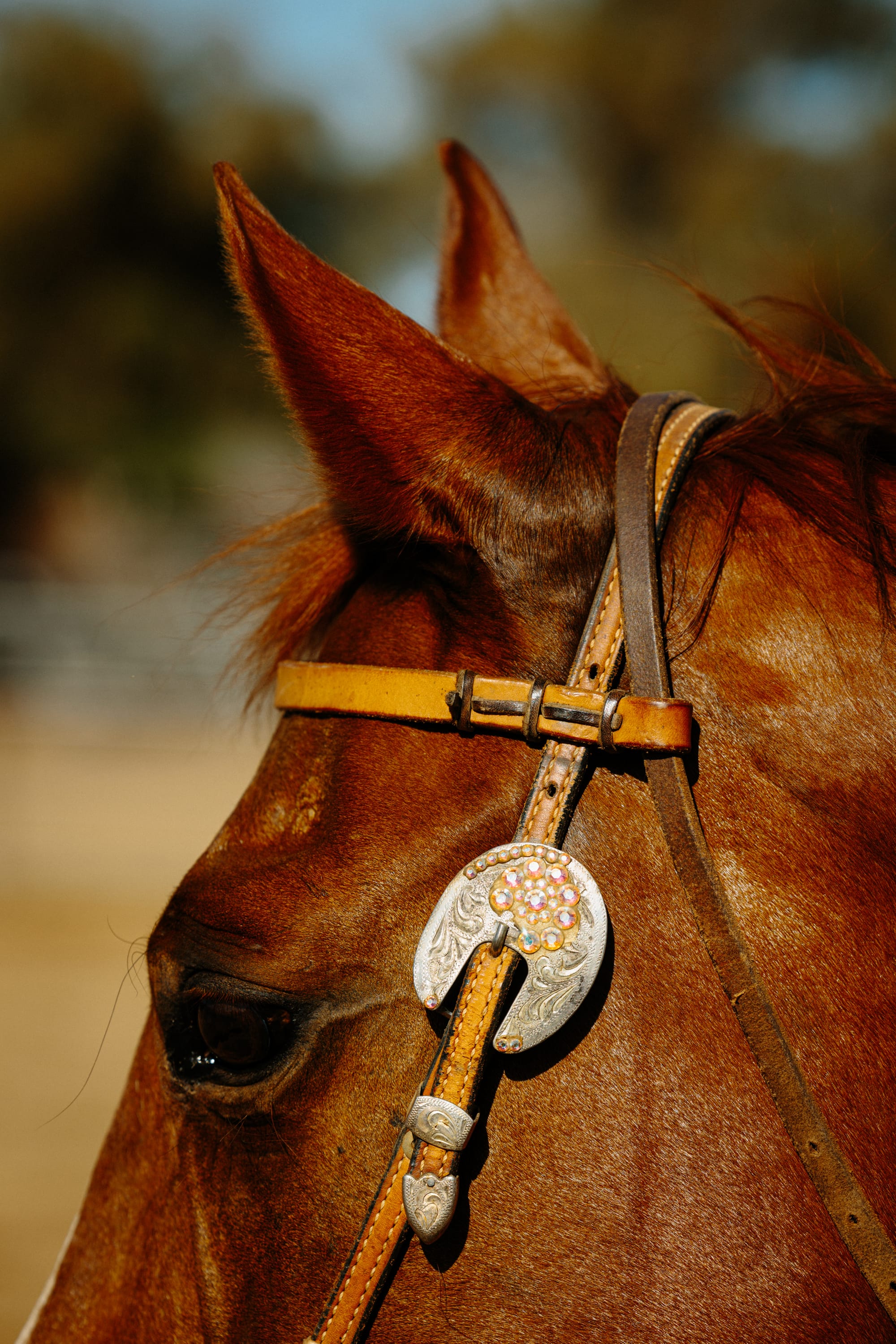
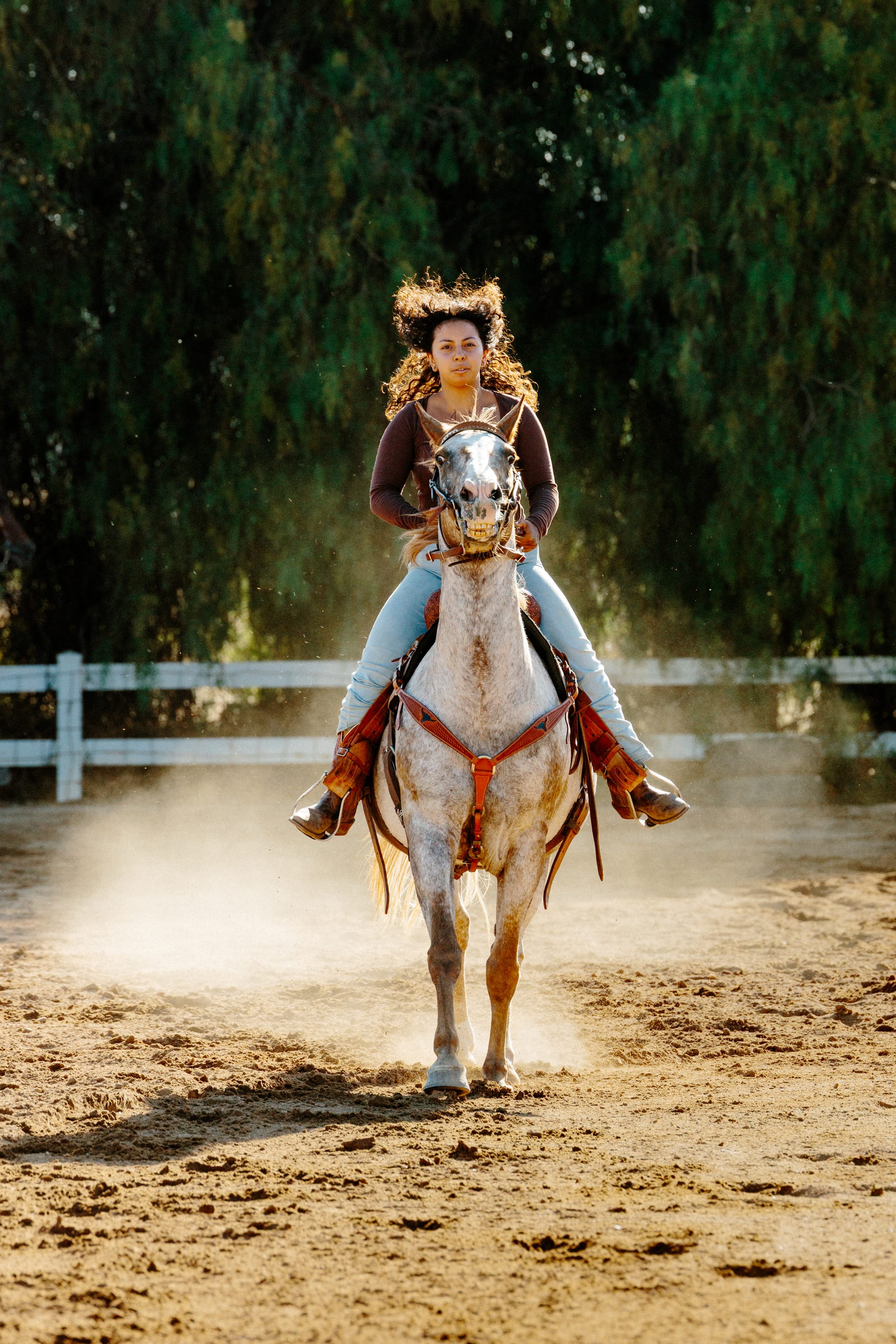
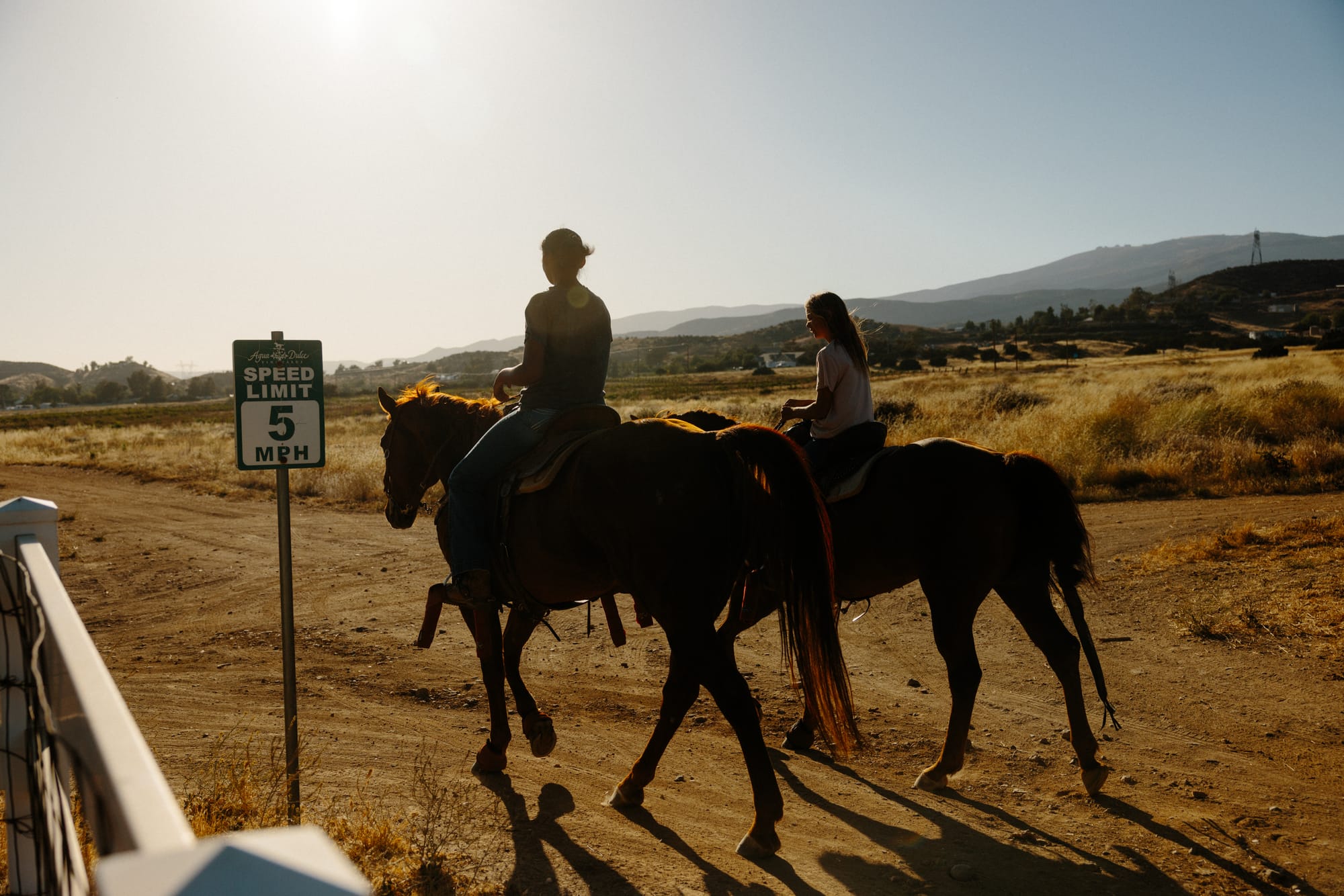
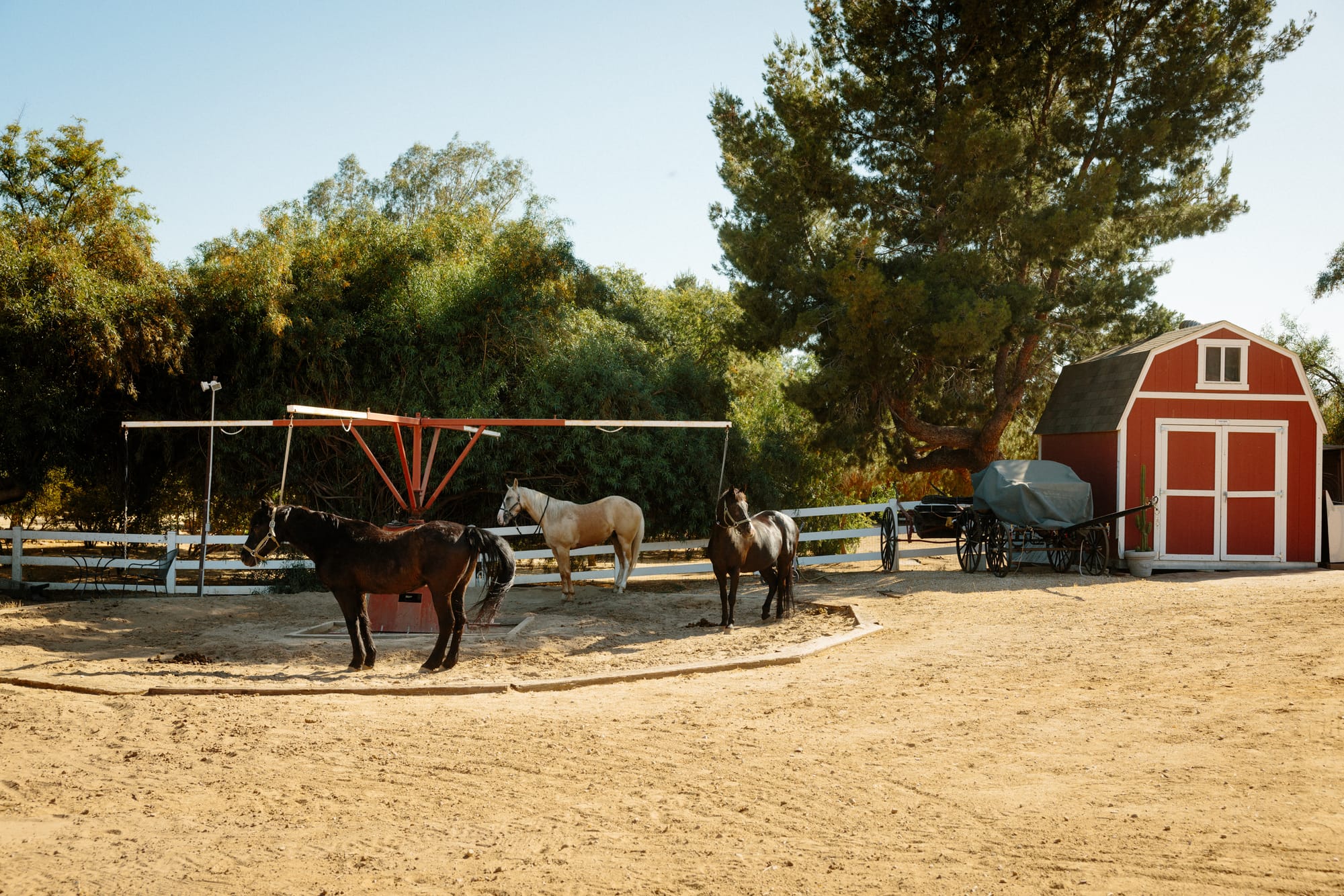
DeBoraha Townson, her students and their horses at her Agua Dulce ranch on June 9, 2026. Photos by Stella Kalinina for The Fault Line News.
“We have a lot of Black competitors now. They all compete in the all-Black rodeos,” she said. “They don't compete in the white rodeos. It’s sad. The thing I hope to see change sooner than later, before I die, is some Black women out there competing on the pro circuit.”
Townson, for one, has participated in both white and Black rodeos, including the Bill Pickett Invitational Rodeo, where she won the barrel racing championship three years in a row and emerged as the all-around cowgirl champion multiple times.
Townson has had high expectations for certain young riders. She and her friends in the rodeo circuit helped sponsor a competitor from Texas, but then the young woman became a mother and retreated from the sport. Still, Townson dreams of seeing someone without an obvious route to the National Finals Rodeo make it there anyway.
The barrier, she said, is money.
“A good pro rodeo horse starts at about $150,000 to $200,000,” she said. “I just bought a new horse that I'm going to a pro rodeo on. She was a little less than $100,000 because I got a good deal. But the top barrel racers — they’ll buy five to 10 horses a year. That's millions of dollars.”
While talent certainly matters, the horse, not the rider, ultimately makes the difference between winning and losing at the highest levels of competition, Townson said.
Margo LaDrew, the Bill Pickett Invitational Rodeo's national development and partnership director, said the organization is trying to bridge the gap. Its foundation has awarded $200,000 in grants to cowboys and cowgirls over the past two years.
Valeria Howard-Cunningham, president of that rodeo, acknowledged that passionate competitors find ways to succeed.
“But horses are expensive,” she said. “Then you have to think about feeding them, housing them, training them and hauling them across the country. All of our African-American cowgirls who have the talent may not have the resources.”
As Townson awaits the next trailblazing Black cowgirl, she continues to register for competitions. She recently returned from Las Vegas, where she competed at one of the biggest barrel racing contests on the West Coast, with over 500 racers. On Juneteenth, she was slated to compete in Portland, Oregon.
“You’re doing what?” her doctor exclaimed after learning about those competitions. Since December, Townson has torn both of her rotator cuffs, leaving one completely severed. She’s previously had knee replacement surgery. Her rotator cuff procedure is scheduled for June 26, with a seven-month recovery.
“I don’t have to do anything extreme,” Towson said of competing. “Except now, I have a difficult time throwing my saddle up.”
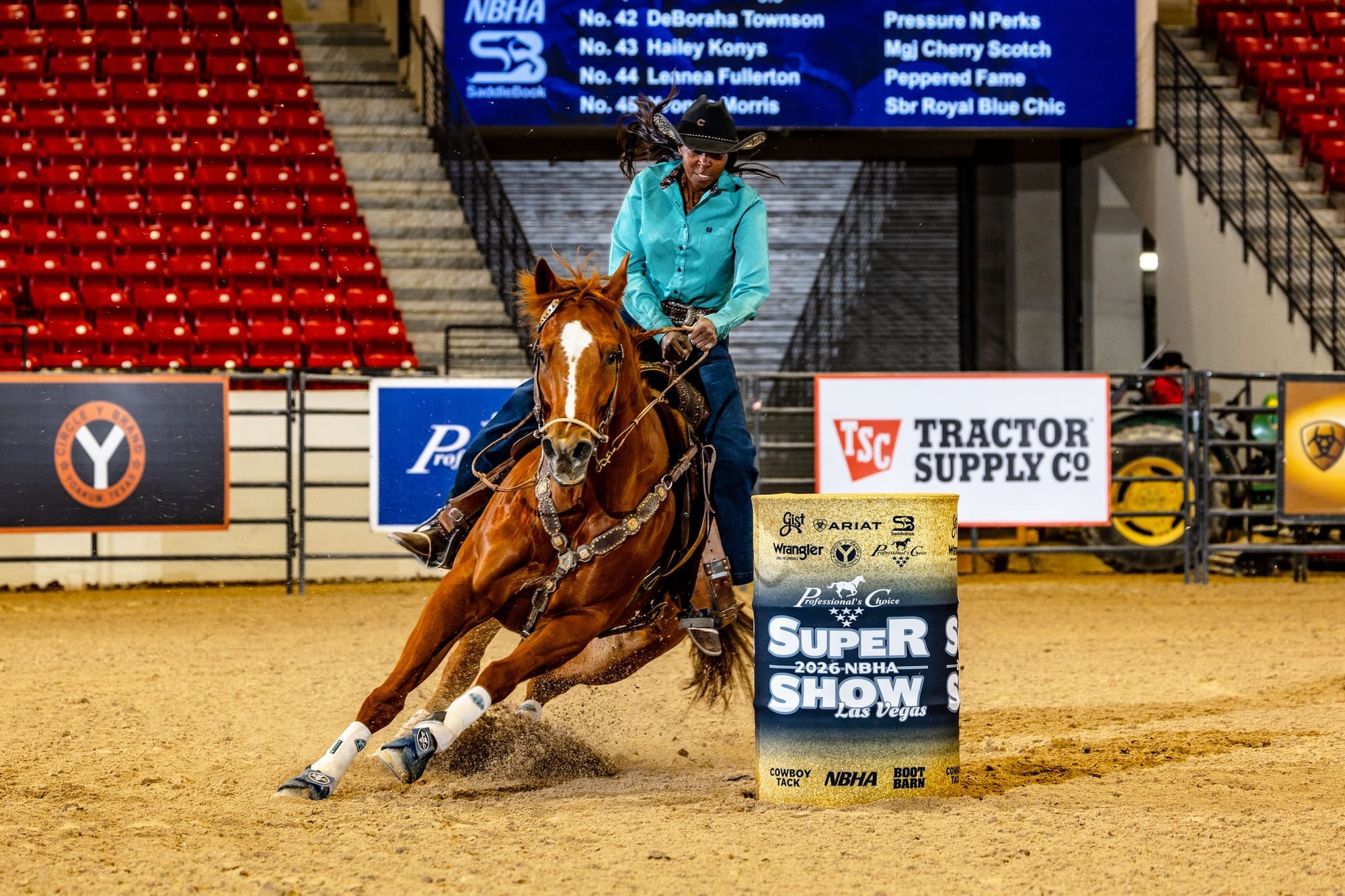
She’s contemplating letting her granddaughter compete on her best horse and close out the season for her.
But LaDrew isn’t counting out Townson. “She made a statement that she was going to come back because she had something to prove,” she said.
After making history, Townson just wants to be part of someone else’s star-making turn in professional rodeo. She predicts one day she'll attend the National Finals Rodeo and take in a sight that will delight her.
“There’s going to be some barrel racer going down the alley, and it will be somebody I spent time with,” she said. “And I will know — even if nobody else knows — that I was part of helping her get there.”
This article — produced by The Fault Line News — is available to republish for free. For republishing inquiries, please contact us.